
Baby Care French Vocabulary: Must-Know Words for Parent

In France, parenting and education follow their own set of norms and customs. Being pregnant, giving birth, and raising your child in France may differ from what you are familiar with in your own country. In this post, we will explore essential French baby care vocabulary to support you on your parenting journey. We will cover topics related to life in France with babies including everyday care and how to handle medical emergencies.
Table of contents
1- General Vocabulary
2- Feeding a baby
3- To take care of the baby
4-Transporting Baby
5- Communicating with Baby
6- Talking about a Baby
7-Caring for the baby health
8- Childcare facilities in France
9- Childcare Issues in France
10-Maternity leave
1- General Vocabulary
- Un bébé - Baby
- Un enfant - Child
- Un nouveau-né - Newborn
- Un garçon – Boy
-Une fille - Girl
- Le sommeil - The sleep
- Les pleurs - Crying
- Un jouet - Toy
- Une peluche - Stuffed animal
- Un bain - Bath
- Une sieste - Nap
- Un doudou - Security blanket
- Un frère - brother
- Une soeur - sister
- Une fratrie - siblings, brotherhood, sisterhood
- Des frères et soeurs - siblings
- Mamie - grandma
- Le grand-père - grandfather
- Papi - grandpa
- Un oncle - Uncle
- Une tante - Aunt
2- Feeding a baby
This vocabulary can be useful for understanding and discussing various aspects of feeding babies, whether it is breastfeeding, bottle-feeding, or introducing solid foods.
2/1 - Vocabulary
Here is the vocabulary related to the theme "feeding the baby" translated into English:
a- Breastfeeding
- L’allaitement - Breastfeeding
- Le lait maternel - Breast milk
- La tétée - Nursing session
- Un mamelon - Nipple
- Une coquille d'allaitement - Breast shell
- Un coussin d'allaitement - Nursing pillow
- Un tire-lait - Breast pump
- Un réservoir à lait - Milk storage container
- Une montée de lait - Milk letdown
b- Bottle-feeding
- Un biberon - Baby bottle
- Le lait maternisé / le lait en poudre : formula milk
- Une tétine (de biberon) - Nipple (bottle)
- Un chauffe-biberon - Bottle warmer
- Un stérilisateur - Sterilizer
- Une eau minérale - Mineral water
- Mélanger - To mix
- Secouer - to shake
- Renverser - to spill
- Un doseur - Measuring scoop
c- Solid food
- La diversification alimentaire - Introduction of solid foods
- Une purée - Puree
- Une compote - Compote
- Un petit pot - Baby jar
- Des céréales pour bébé - Baby cereal
- Une cuillère pour bébé - Baby spoon
- Une chaise haute - High chair
- Un bavoir / une bavette - Bib
d- Meals and snacks
- Un repas - Meal
- Une collation - Snack
- Une petite cuillère - Teaspoon
- Un gobelet à bec - Sippy cup
- Grignoter - To nibble
e- Common issues related to feeding
- Des coliques - Colic
- Une régurgitation - Spit-up
- Un réflexe de succion - Sucking reflex
- Une allergie alimentaire - Food allergies
- Une intolérance alimentaire - Food intolerances
- Une éruption cutanée - Rash
f- Activities and objects
- Un repas en famille - Family meal
- Un horaire des repas - Meal schedule
- Une habitude alimentaire - Eating habit
- La cuisson à la vapeur - Steaming
- Un aliment bio - Organic food
- Une nutrition équilibrée - Balanced nutrition
2/2Cultural point 1 : Breastfeeding in France
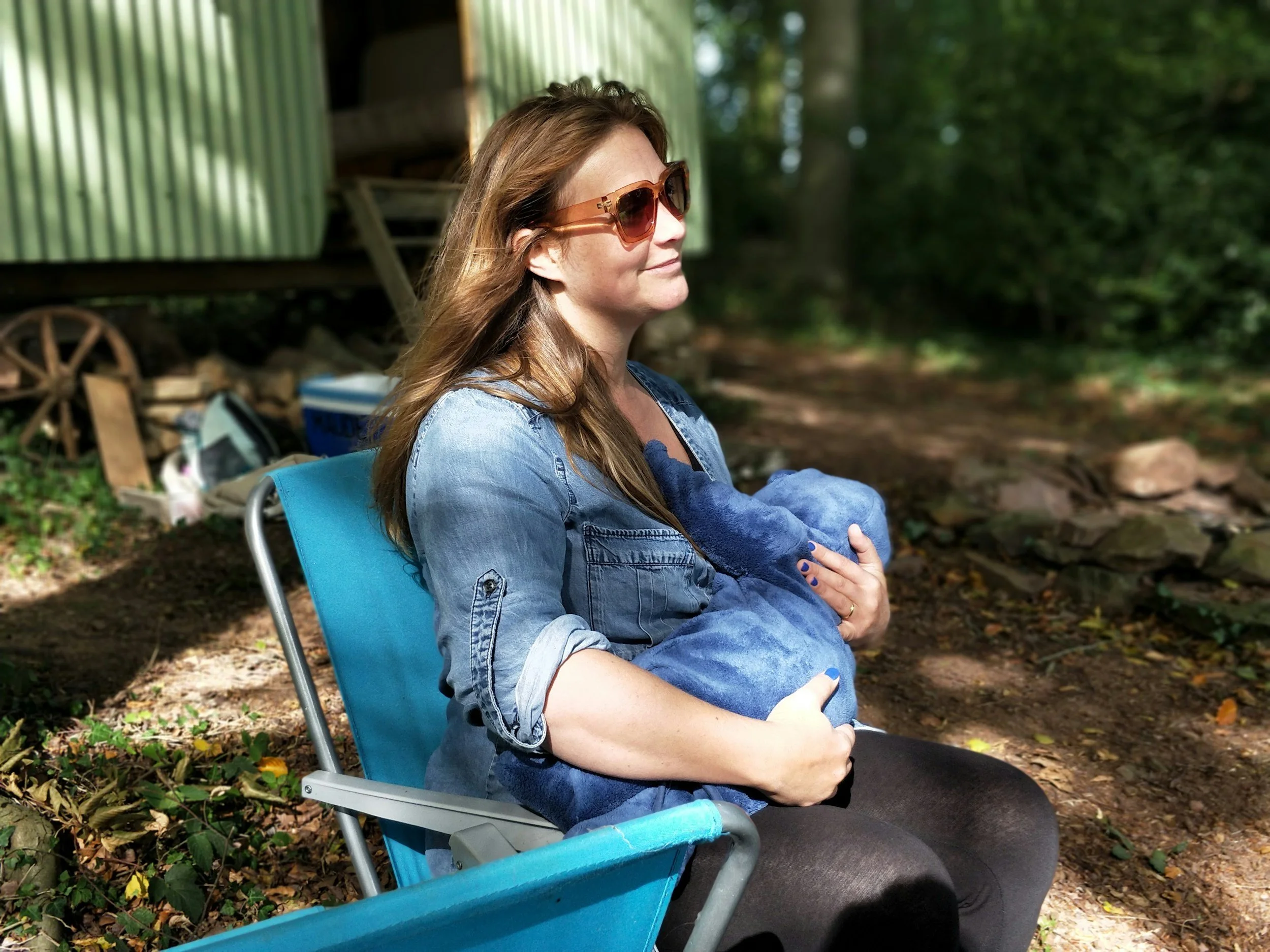
In France, the average duration of breastfeeding is often shorter than in other European countries, with many mothers stopping before the six-month mark recommended by the World Health Organization. The typical duration of exclusive breastfeeding is about three to four months.
Several factors contribute to this:
Return to Work: Most mothers return to work after 2.5 months of maternity leave, making it harder to continue breastfeeding.
Support and Education: Although breastfeeding is promoted, continuous support and education on the benefits of extended breastfeeding can be lacking.
Cultural Practices: Social norms can influence when to wean. Despite recognition of breastfeeding’s health benefits, there’s mixed social acceptance, and some mothers face pressure to use formula or wean early.
Additionally, historical views of feminism in France have shaped perceptions of breastfeeding. Early feminist thought often linked freedom with equality to men, viewing breastfeeding as a task that couldn’t be shared with men. In contrast, modern feminism emphasizes pregnancy and breastfeeding as empowering experiences for women.
3- To take care of the baby

a- Daily cares : baby hygiene
- Un bain - Bath
- Une couche - Diaper
- Changer la couche - To change the diaper
- Une crème pour bébé - Baby cream
- Une lingette - Wipe
- Du talc / de la poudre pour bébé - Baby powder
- Une table à langer - Changing table
- Un sac à couches - Diaper bag
- Une lingette (en tissu) - Washcloth
- Une lingette jetable - A disposable wipe
- Un shampoing pour bébé - Baby shampoo
- Un savon pour bébé - Baby soap
- Une baignoire pour bébé - Baby bathtub
- Un thermomètre de bain - Bath thermometer
- Un gant de toilette - Wash mitt
- Une serviette de bain - Bath towel
- Une sortie de bain - Hooded towel
- Une lotion pour bébé - Baby lotion
- Un peigne pour bébé - Baby comb
B- Daily cares : dressing baby
- Un pyjama - Pajamas
- Un body - Onesie
- Une gigoteuse - Sleep sack
- Une grenouillère/Pyjama - Sleepsuit/Pajamas
- Une barboteuse - Romper
- Des chaussons - Booties
- Un bonnet - Hat, beanie
- Un chapeau - Hat
- Une combinaison - Jumpsuit
- Un T-shirt - T-shirt
- Un pantalon - Pants
- Un legging - Leggings
- Des chaussettes - Socks
- Un manteau - Coat
- Un gilet - Cardigan
- Une salopette - Overalls
- Une robe - Dress
- Des collants - Tights
- Des chaussures - Shoes
- Une veste - Jacket
- Une chemise - Shirt
- Une culotte - Diaper cover
- Une jupe - Skirt
- Un short - Shorts
- Un pull - Sweater
- Des gants - Gloves
- Une écharpe - Scarf
- Des sandales - Sandals
4- Transporting Baby
In France, the reference for buying the most suitable and safest car seat is the website securange.fr.
a- Transport equipment
- Une poussette - Stroller
- Un landau - Pram
- Un porte-bébé - Baby carrier
- Une écharpe de portage - Baby sling
- Un sac à dos porte-bébé - Baby backpack carrier
- Un siège-auto - Car seat
- Une nacelle - Bassinet
b- Transport accessories
- Une ombrelle - Parasol
- Un habillage pluie / une couverture de pluie - Rain cover
- Un support de tête - Head support
- Un sac à langer - Diaper bag
- Un sac de voyage - Travel bag
c- Safety and comfort
- Un harnais de sécurité - Safety harness
- Une ceinture de sécurité - Seat belt
- Une barre de protection - Safety bar
d- Types of strollers
- Une poussette canne - Umbrella stroller
- Une poussette tout-terrain - All-terrain stroller
- Une poussette double - Double stroller
- Une poussette compacte - Compact stroller
- Une poussette évolutive - Convertible stroller
5- Communicating with Baby
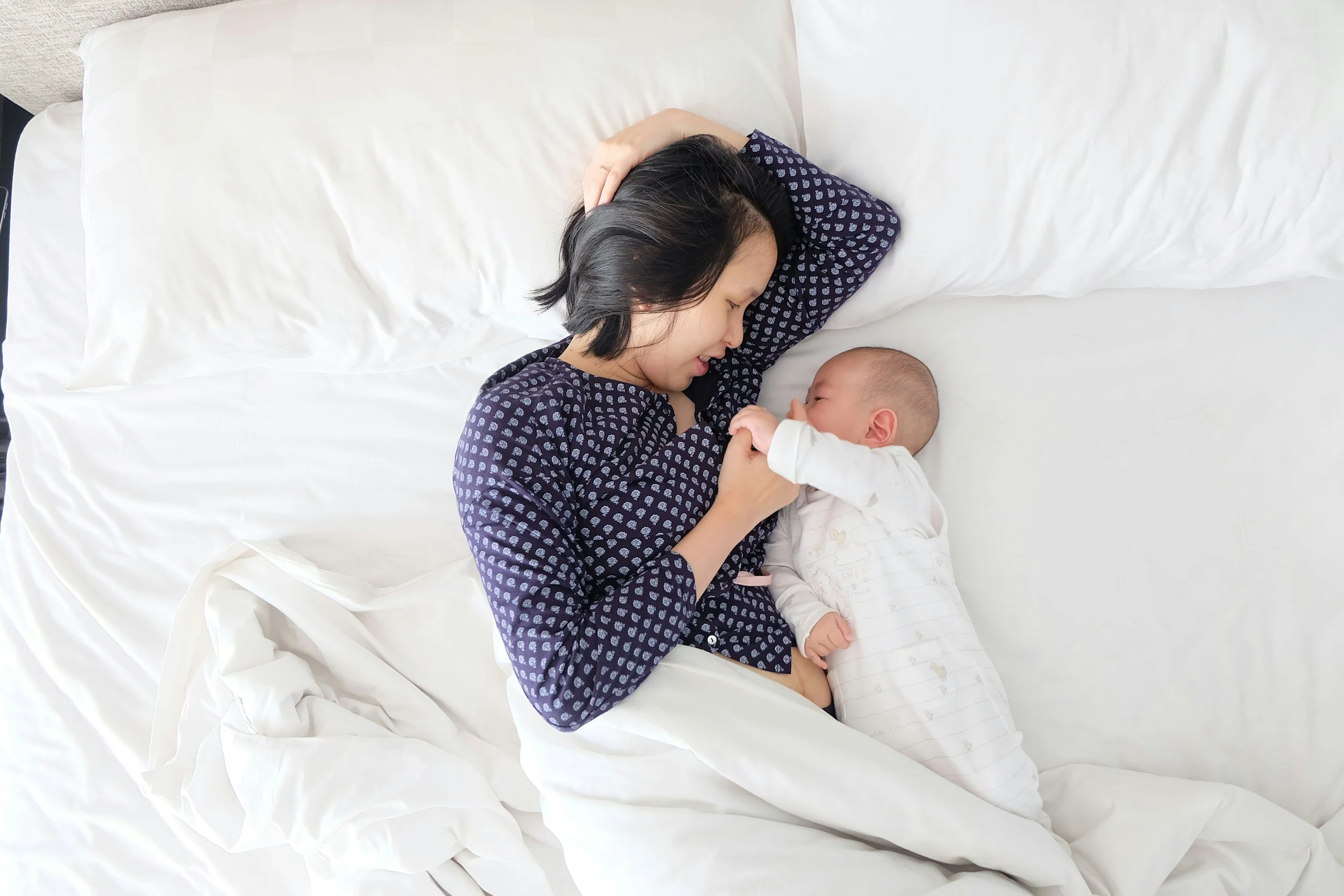
Le bébé a faim, le bébé a soif, le bébé est fatigué, le bébé a mal, le bébé est content
The baby is hungry, the baby is thirsty, the baby is tired, the baby is in pain, the baby is happy.
a- Daily Interactions
- Parler - To talk
- Écouter - To listen
- Sourire - To smile
- Rire - To laugh
- Pleurer - To cry
- Babiller, Gazouiller - To babble
- Répéter - To repeat
- Nommer les objets - To name objects
- Lire des histoires - To read stories
- Chanter des chansons - To sing songs
- Raconter - To tell (a story)
- Faire des grimaces - To make faces
b- Body Language
- Regarder - To look
- Toucher - To touch
- Câliner - To cuddle
- Embrasser - To kiss
- Pointer du doigt - To point
- Applaudir - To clap
- Les gestes - Gestures
- Signe de la main - Hand signal
c- Expressions of Needs
- La faim - Hunger
- La soif - Thirst
- La fatigue - Tiredness
- Un inconfort - Discomfort
- Un douleur - Pain
- Content - Happy
- Triste - Sad
d- Games and Activities
- Jouer - To play
- Un jouet - Toy
- Un jeu - a game
- Coucou - Peekaboo
- Jouer à cache-cache - To play Hide and seek
- Une comptine - Nursery rhyme
- Un jeu de rôle - Role-playing
e- Encouragements and Responses
- Bravo ! - Well done!
- Très bien - Very good
- Continue ! - Keep going!
- Oui - Yes
- Non - No
- Encore - Again
- Fais attention - Be careful
- Doucement - Gently
f- Social Interactions
- Bonjour - Hello
- Au revoir - Goodbye
- Merci - Thank you
- S'il te plaît - Please
- Pardon / désolé - Sorry
- Attends - Wait
- Viens - come
g- Communication Tools
- Un livre d'images - Picture book
- Des cartes de vocabulaire - Flashcards
- Une application éducative - Educational app
- Un jouet éducatif - Educational toy
6- Talking about a Baby

This vocabulary helps describe a baby, their progress, habits, emotions, social interactions, and health, which is essential for tracking their development and communicating about them.
a- Describing the Baby
- Le poids - Weight
- La taille - Height
- Les cheveux - Hair
- Les yeux - Eyes
- Un sourire - Smile
- Un rire - Laugh
- Pleurer - Cry
- Une dent - Tooth
- La peau - Skin
- Une main - Hand
- Un pied - Foot
- Une voix - Voice
Le bébé pèse 5 kilos - The baby weighs 5 kilograms.
Il mesure 75 centimètres - He is 75 centimeters tall.
Il a les yeux marrons - He has brown eyes.
Il a les cheveux bruns - He has brown hair.
Il a la peau mate - He has an olive complexion.
b- Describing Progress
- La croissance - Growth
- Le développement - Development
- Le premier mot - First word
- Les premier pas - First step
- Rouler sur le ventre - To roll over
- S'asseoir - To sit up
- Ramper - To crawl
- Marcher - To walk
- Attraper des objets - To grasp objects
- Interagir - To interact
- Reconnaître - To recognize
- Imitater - To imitate
- Comprendre - To understand
c- Describing habits
- Dormir - To sleep
- Manger - To eat
- Boire - To drink
- Téter - To suckle
- Changer la couche - To change the diaper
- Se réveiller - To wake up
- Faire la sieste - To take a nap
- Rituel du coucher - Bedtime routine
- Jouer - To play
- Explorer - To explore
d- Describing emotions
- Heureux/Heureuse - Happy
- Triste - Sad
- En colère - Angry
- Excité/Excitée - Excited
- Calme - Calm
- Agité/Agitée - Fussy
- Curieux/Curieuse - Curious
- Amusé/Amusée - Amused
- Une colère / une crise de colère - a tantrum
e- Describing Social Interactions
- Il / elle sourit - He / she smile
- Il / elle salue - He / she greets
- Il / elle fait signe - He / she waves
- Il / elle partage - He / she shares
- Il / elle joue avec les autres - He / she plays with others
- Il / elle suit du regard - He / she follow with eyes
- Il / elle répond à son nom - He / she respond to their name
- Il / elle imite - He / she imitates
- Il / elle fait des câlins - He / she hugs
- Il / elle embrasse - He / she kisses
7- Caring for the baby health
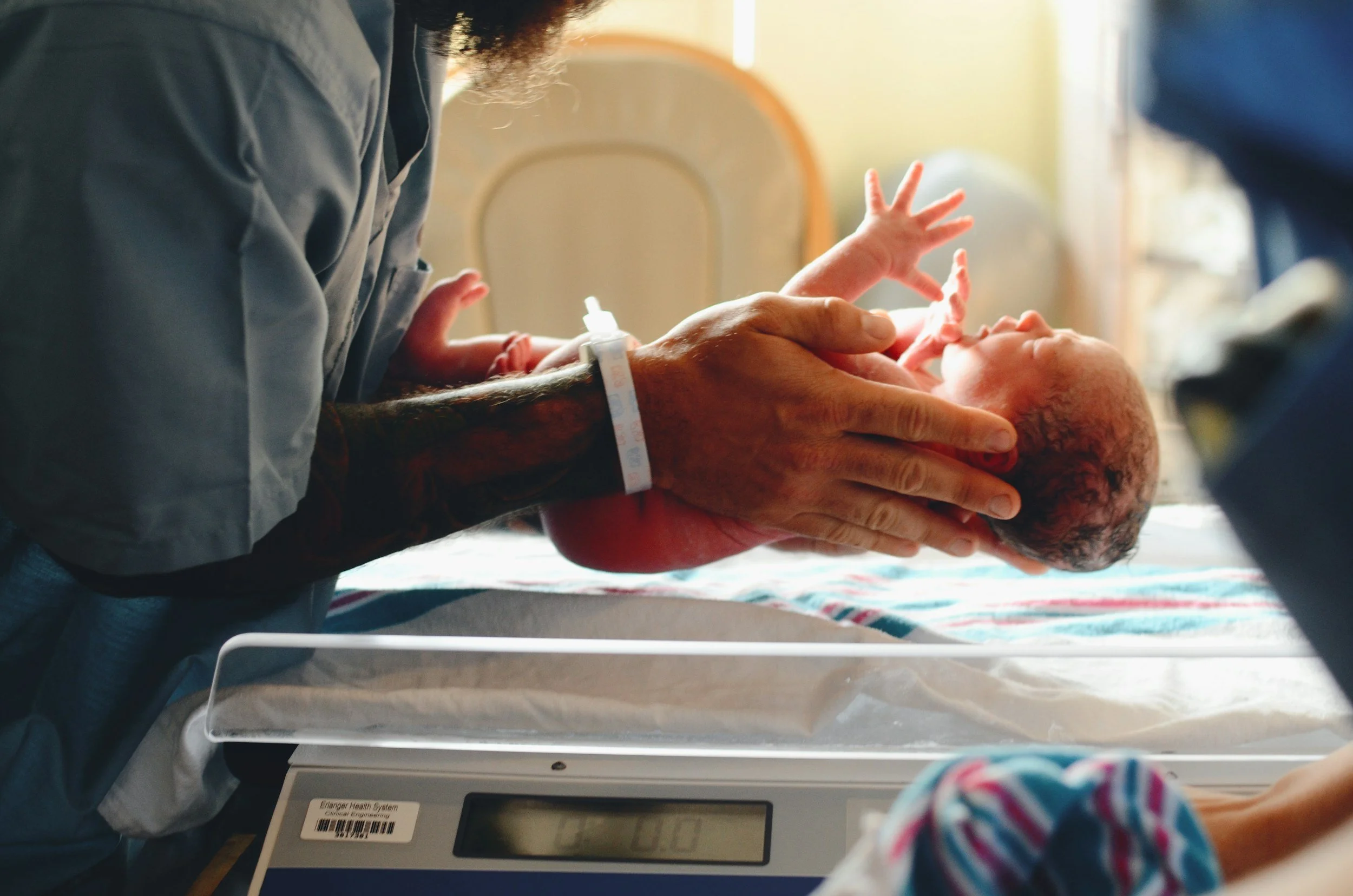
This vocabulary covers medical terms, common childhood illnesses, and emergency situations, which are essential for caring for a baby and responding effectively when needed.
a- Medical Vocabulary
- Un carnet de santé - health record book
- Un / une pédiatre - Pediatrician
- Une consultation - Check-up
- Un examen médical - Medical examination
- Une vaccination - Vaccination
- Un médicament - Medicine
- Une prescriptions - Prescription
- Un thermomètre - Thermometer
- Un sirop - Syrup
- Une crème - Cream
- Une pommade - Ointment
- Des gouttes - Drops
- Un bandage - Bandage
- Un pansement - Band-aid
b- Childhood Illnesses
- Une maladie infantile - childhood illness
- Une fièvre - Fever
- Un rhume - Cold
- Une toux - Cough
- Un mal de gorge - Sore throat
- Une otite - Ear infection
- Une bronchiolite - Bronchiolitis
- Une gastro-entérite - Gastroenteritis
- La rougeole - Measles
- La rubéole - Rubella
- La varicelle - Chickenpox
- Les oreillons - Mumps
- Une éruption cutanée - Rash
- Une conjonctivite - Conjunctivitis
c- Emergencies
In case of a medical emergency, you can call French SAMU at number 15, or use the European emergency number 112
- Une chute - A fall
- Une brûlure - A burn
- Une coupure - A cut
- Un étouffement - A choking
- Un poison - A poison
d- Basic Care
- Un désinfectant - Disinfectant
- Une compresse stérile - Sterile compresse
- Une lingette antiseptique - Antiseptic wipe
- Une seringue - Syringe
- Un antipyrétique - Antipyretic
- Un anti-inflammatoire - Anti-inflammatory
- Un analgésique - Painkiller
e- Complete the health Record Book
- Les Informations Générales - General Information
- Nom - Name
- Prénom - First name
- Date de naissance - Date of birth
- Lieu de naissance - Place of birth
- Sexe - Sex
- Adresse - Address
- Téléphone - Phone number
- Nom des parents - Parents' names
- Les antécédents Médicaux - Medical History
- Les antécédents familiaux - Family medical history
- Grossesse et accouchement - Pregnancy and delivery
- Les antécédents médicaux personnels - Personal medical history
- Les allergies - Allergies
- La courbe de poids - The weight chart
- La courbe de taille - The height chart
- Les courbes de croissance - Growth charts
- Le développement psychomoteur - Psychomotor development
- Les premières dents - First teeth
- Nom du vaccin - Vaccine name
- Date de vaccination - Vaccination date
- Rappel - Booster
- Réactions - Reactions
- La date - Date
- Un traitement prescrit - Prescribed treatment
- Nutrition - Nutrition
- Hygiène - Hygiene
- Sommeil - Sleep
- Sécurité - Safety
8- Childcare facilities in France
In France, the childcare system before preschool is well-structured and offers several options for parents. They can choose from various types of childcare facilities and services, each with specific advantages in terms of flexibility, cost, and type of care. However, the early childhood sector is currently facing a crisis, making it increasingly difficult for parents to find suitable childcare.
This vocabulary list covers key terms related to childcare, including childcare facilities, staff, activities, daily care, safety, and administration. It is essential for understanding and navigating the childcare system in France.
a- Childcare facilities
- Une crèche - Daycare center
- Une crèche collective - Collective daycare
- Une crèche familiale - Family daycare
- Une crèche parentale - Parent-run daycare
- Une micro-crèche - Micro daycare
- Une halte-garderie - Drop-in daycare
- Un jardin d'enfants - Kindergarten
- Une assistante maternelle - Childminder / Licensed childminder
- Une garde à domicile - Home care
- Une nounou, une auxiliaire parentale - Nanny
- Une baby-sitter - Babysitter
b- Activities and Equipment
- Une aire de jeux - Playground
- Une salle de jeux - Playroom
- Un bac à sable - Sandbox
- Un jeu éducatif - Educational game
- Un jouet - Toy
- Un livre pour enfants - Children's book
- De la pâte à modeler - Playdough
- La peinture - Painting
- Une activité manuelle - Craft activity
- Une comptine - Nursery rhyme
- Une activité de groupe - Group activity
d. La crèche - Daycare center
“Les crèches” are collective facilities that welcome children from the age of 2.5 months until they enter preschool (age 3). There are several types of crèches:
- Crèches collectives : Managed by municipalities or associations, they accommodate a large number of children and offer various schedules.
- Crèches familiales: Children are cared for at the homes of licensed childminders who are supervised by a central crèche.
- Crèches parentales: Managed by parent associations, parents actively participate in the management and care of the children.
e. Les assistantes Maternelles - Licensed Childminders
Licensed childminders (or "nannies") care for children in their own homes. They must obtain a license from the Protection Maternelle et Infantile (PMI) to practice. Parents can receive financial assistance for employing a licensed childminder.
f. La garde à domicile - Home Care
Home care involves a caregiver (nanny) coming to the family’s home to look after the child. This solution is often chosen for its flexibility, although it is generally more expensive. Parents can hire directly or through a specialized agency.
g. La haltes-Garderie
Haltes-garderies offer occasional or part-time care for children. They allow parents to leave their children for a few hours a week, for example, for appointments or occasional activities.
h. Financial Assistance
The French government provides several financial aids to help parents cover the costs of childcare:
- Complément de libre choix du mode de garde (CMG): An allowance paid by the Caisse d'Allocations Familiales (CAF) for parents who employ a licensed childminder, a home caregiver, or use a micro-crèche.
- Local government assistance: Some municipalities offer additional aids to reduce childcare costs.
9 - Childcare Issues in France
High-Demand Areas
In France, childcare is a major concern, especially in areas where demand far exceeds supply. Several factors contribute to this situation:
Population Density : In large cities and densely populated urban areas like Paris, Lyon, and Marseille, the demand for daycare spots is extremely high. Parents often have to put their children on waiting lists well before birth.
Staff Shortages
The shortage of qualified staff is another major difficulty faced by the childcare sector in France. Here are some reasons for this shortage:
1. Working Conditions: Early childhood professionals face demanding working conditions, with salaries often deemed insufficient compared to the workload and responsibilities. This leads to high turnover rates and recruitment difficulties.
2. Training: Although France has training programs for early childhood professions (such as CAP Petite Enfance), the number of graduates is not enough to meet the needs. Additionally, training requirements can deter potential candidates.
Consequences for Families
The lack of daycare spots and qualified staff has several direct consequences for families:
1. Waiting Lists: Waiting lists for daycare spots can be very long, forcing parents to seek alternatives that are often more expensive or less convenient.
2. High Costs: Due to high demand, childcare costs can be steep, placing a heavy burden on family budgets.
3. Informal Solutions: In the absence of available spots, some parents turn to informal or unlicensed solutions, which may lack regulation and safety.
10- Maternity, paternity, and parental leave
This vocabulary covers the key terms related to maternity, paternity, and parental leave, and is essential for understanding and navigating leave policies in France.
a- Général
- Les droits parentaux - Parental rights
- Une aide financière - Financial aid
- Une allocation familiale - Family allowance
- Une politique de congé - Leave policy
- Un équilibre vie professionnelle et personnelle - Work-life balance
- La répartition des tâches parentales - Distribution of parental responsibilities
- L’égalité des sexes - Gender equality
- La reprise du travail - Return to work
- Une demande de congé - Leave application
- Une acceptation sociale - Social acceptance
- Un stéréotypes de genre - Gender stereotypes
- Le bien-être familial - Family well-being
- La durée du congé - Length of leave
- Une prolongation de congé - Leave extension
- La protection de l'emploi - Job protection
- Congé obligatoire - Mandatory leave
b- Maternity and paternity leaves
Maternity leave in France is a right granted to pregnant women to allow them to rest before and after childbirth. It typically lasts for 16 weeks for a single pregnancy and up to 26 weeks in cases of complications or multiple births. During this period, the expectant mother is entitled to job protection and receives daily allowances from social security to compensate for lost income due to her absence from work. This leave aims to ensure the well-being of the mother and unborn child, as well as to promote family bonding during the early months of the child's life.
- Un congé maternité - Maternity leave
- Un congé prénatal - Prenatal leave
- Un congé postnatal - Postnatal leave
In some more progressive Nordic countries like Sweden and Norway, mothers can benefit from much longer maternity leaves, sometimes up to a year or more, with robust systems of financial support and job protection. In France, the Nordic countries are always cited as an example when it comes to improving family conditions on a societal scale.
c- Paternity leave
- Un congé paternité - Paternity leave
- Un congé de naissance - Birth leave
- La participation à l'accouchement - Participation in childbirth
Paternity leave in France is a legally mandated period off for fathers following the birth or adoption of a child. As of 2024, it has been extended to 28 days, allowing fathers more time to bond with their newborns and support their partners. Fathers receive financial compensation through social security, helping them take leave without financial strain.
This measure promotes gender equality and shared parenting. While some see it as reinforcing family bonds, others worry about its impact on traditional gender roles or the financial burden on businesses and social security.
d- Congé Parental
Parental leave in France allows parents to take a full-time or part-time break from work to care for their child for an extended period. It typically follows maternity or paternity leave and can last until the child turns three. During this time, parents have job protection and may receive allowances from the Caisse d'Allocations Familiales (CAF) to partially offset lost income. This leave aims to help parents balance work and family life while supporting the child’s development and well-being at home.
- Un congé parental - Parental leave
- Un temps plein - Full-time
- Un temps partiel - Part-time
- L’Éducation de l'enfant - Child upbringing
Private French lessons online or in person in Paris with French à La Carte
Private French lesson - French à La Carte
At French à La Carte, we offer personalized and structured private French lessons. Grammar structures, syntax, tenses, feel free to contact us to learn more about the grammar points to focus on on according to your level ( A1,A2,B1,B2,C1)
If, you would like to practise with a French tutor, we can help you with private personalized lessons online or in person in Paris.
We offer
Conversational French
French for professionals
Lessons in the evening & on the week-ends
Immersive lessons in Paris
Exam preparation ( TCF, DELF, DALF)