
What French Language Requirement for a visa, carte de séjour or citizenship? Update for 2026

titre de séjour français
One of the biggest misconceptions about moving to France is that you need to speak French before you can even apply for a visa. It's a question we hear all the time from future expats: Do I need to pass a French language test before I move? The answer is reassuring for most people, but the full picture is a little more nuanced than many realise.
The reality is that French language requirements depend entirely on where you are in your immigration journey. Generally speaking, there is no French language test required simply to obtain a French long-stay visa, although every visa category has its own supporting-document requirements. However, once you begin applying for longer-term residence in France, language requirements become increasingly important. In 2026, many first applications for a multi-year residence permit require A2 French, many first applications for a resident card require B1, and French nationality now generally requires B2.
Although these new rules may seem daunting at first, they actually create a fairly logical pathway. France is not expecting most newcomers to arrive fluent. Instead, it expects your level of French to develop as your integration into French society becomes more permanent.
There Is No French Language Test for a Long-Stay Visa
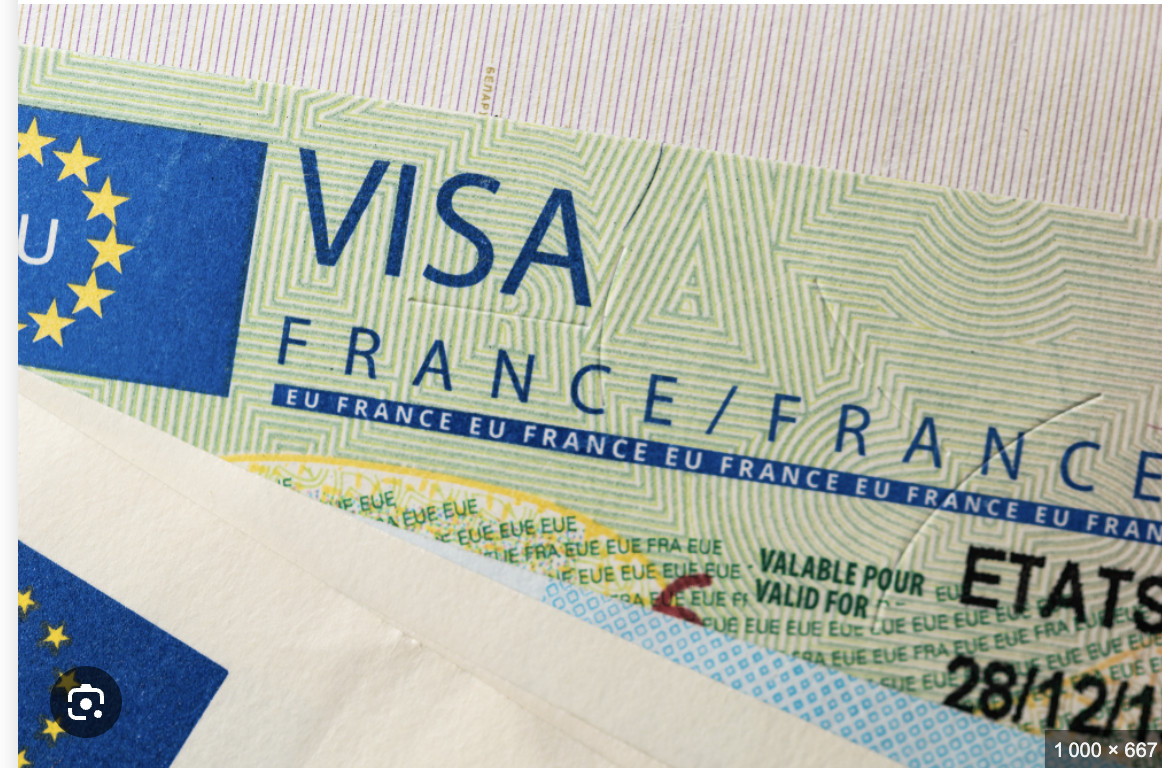
Long stay visa
The first piece of good news for anyone planning a move is that there is generally no French language test simply to apply for a French long-stay visa.
Whether you are applying for a visitor visa, joining a spouse or family member, retiring to France, studying, or applying under many professional visa routes, France-Visas focuses primarily on the requirements that relate to your chosen visa category. These usually include documents such as proof of financial resources, accommodation, health insurance, identity documents and the purpose of your stay, rather than evidence of your French language ability.
This is often a relief for future expats because it means you can begin your relocation before becoming confident in French. Of course, learning the language before moving will always make everyday life easier, but for most long-stay visa applications it is not, in itself, a legal requirement.
It is important, however, not to confuse the visa stage with the residence stages that follow. Your long-stay visa is often only the beginning of your life in France, and if you intend to remain in the country for the longer term, language requirements become much more relevant.
A2 French for Many First Multi-Year Residence Permits
From 1 January 2026, many applicants making their first application for a carte de séjour pluriannuelle, or multi-year residence permit, must demonstrate A2 level French under the Common European Framework of Reference for Languages (CEFR), together with passing the new civic examination introduced as part of the recent immigration reforms.
A2 is considered an elementary level of French. At this stage, applicants should be able to communicate in everyday situations, introduce themselves, ask and answer simple questions, understand routine conversations and deal with practical aspects of daily life.
It is important to remember that this requirement applies to many, but not all, first applications for a multi-year residence permit. The exact rules depend on the residence category, but one important point is that there is no general exemption based solely on age, health or disability for the A2 language requirement. The legislation specifically states that there is no automatic exemption on these grounds. However, where an applicant is genuinely unable to complete the language assessment, for example because of certain medical conditions or recognised learning disorders such as severe dyslexia, individual accommodations or exemptions may be considered on a case-by-case basis. These situations are assessed individually and should never be assumed to apply automatically.
The key point for anyone planning a move to France is that these requirements generally arise after you have already settled in France and are moving towards longer-term residence. They are not part of the initial long-stay visa application.
B1 French for Many First Resident Cards
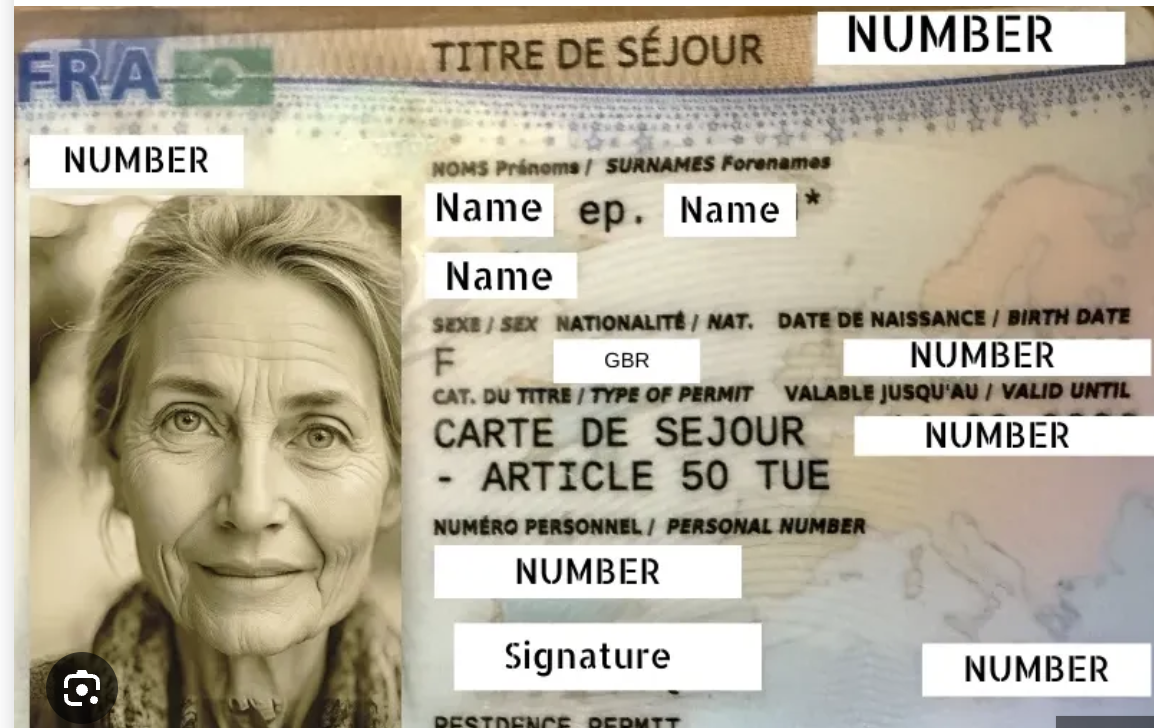
The next milestone is the resident card, which includes the carte de résident and the long-term EU resident card. These cards generally offer a more stable and durable right of residence than temporary or multi-year permits and are often the next step for people who intend to make France their long-term home.
For many first applications for these resident cards, applicants must now demonstrate B1 level French, together with meeting the civic examination requirement where applicable.
B1 represents an intermediate level of language ability. Rather than simply managing basic conversations, applicants should be capable of understanding the main points of everyday discussions, explaining opinions, describing experiences and communicating independently in most practical situations.
As with the multi-year residence permit, the rules are not identical across every resident-card category. One important distinction is that, for certain first applications for a carte de résident, applicants aged 65 or over may be exempt from the civic examination, but this exemption does not extend to the B1 French language requirement itself. In other words, applicants may still need to demonstrate the required level of French even if they are not required to sit the civic exam. As with other parts of the immigration system, individual situations involving recognised medical conditions or disabilities may be assessed on their own merits, but there is no blanket exemption from the language requirement.
B2 French for French Nationality
French passeport
The highest language requirement applies to people who wish to become French citizens.
Whether you are applying through naturalisation or nationality by marriage, applicants are now generally required to demonstrate B2 level French, covering both oral and written communication.
B2 represents a significant step up from the earlier residence requirements. Applicants should be able to understand more complex texts, communicate fluently, participate confidently in conversations, express opinions clearly and write accurately enough to demonstrate genuine linguistic independence.
Evidence of this level can usually be provided through an approved French language test or a recognised diploma accepted by the French authorities, depending on your circumstances.
French nationality is also subject to the new civic examination introduced in 2026. Unlike the language assessment, which measures your ability to communicate in French, the civic exam focuses on your knowledge of French institutions, republican values, history, rights, duties and civic life. The two assessments are separate, and applicants generally need to satisfy both requirements.
The New Civic Exam Is Now Part of the Journey
Language is only one part of the recent reforms.
Since 1 January 2026, many applicants making a first application for a multi-year residence permit, a resident card or French nationality must also complete the new civic examination, subject to the rules that apply to their particular residence category. For certain resident-card applications, applicants aged 65 or over may be exempt from the civic examination. However, this exemption does not generally remove the requirement to demonstrate the appropriate level of French.
The examination consists of multiple-choice questions covering French society, institutions, democratic values and civic responsibilities. Its purpose is not to test your language level, but rather your understanding of life as a resident, and eventually, as a citizen, of France.
For residence permits and resident cards, the civic examination applies to first applications and is generally not required for renewals.
A Simple Way to Remember the Rules

Although every immigration situation is unique, the French system can be summarised quite simply:
Long-stay visa: generally no French language test.
Many first multi-year residence permits: A2 French.
Many first resident cards (including carte de résident and long-term EU resident card): B1 French.
French nationality: B2 French.
These stages should always be understood subject to the specific residence category and the limited exemptions provided for in French law. While certain accommodations may exist in exceptional individual circumstances, particularly where an applicant is genuinely unable to complete the required assessments, there is no general exemption based solely on age, health or disability for most language requirements. Nevertheless, this framework provides a useful way to understand how the French system is structured.
Why It's Worth Planning Ahead

Some people see these new requirements as an obstacle, but they can also be viewed as a roadmap.
The fact that France does not generally require a language test before issuing a long-stay visa gives future expats the opportunity to begin building their new life without first becoming fluent. At the same time, knowing that language requirements will increase over time allows you to prepare gradually rather than feeling pressured later.
Learning French is not simply about satisfying an administrative requirement. It makes everyday life easier, helps build relationships with neighbours, improves interactions with public services and healthcare professionals, and allows you to feel more integrated into your local community. By the time you reach the stage of applying for a multi-year residence permit, a resident card or nationality, your language learning journey should ideally reflect the life you have already begun building in France.
The Bottom Line
The most important thing to remember is that there is generally no French language test for a long-stay visa, which means most people can begin their move to France without first obtaining an official language qualification.
However, if your ambition is to make France your permanent home, language will become an increasingly important part of your immigration journey. For many applicants, that means progressing from A2 for a first multi-year residence permit, to B1 for a first resident card, and eventually B2 for French nationality, alongside the introduction of the new civic examination for many long-term residence and nationality applications.
Understanding this progression from the very beginning allows you to plan ahead, avoid surprises and enjoy the process of integrating into French life at a realistic pace. After all, moving to France isn't simply about obtaining a visa, it's about building a future, and learning the language is one of the most rewarding parts of that journey.
Fabien Pelissier - Fab French Insurance

Fabien Pélissier
Fabien is the founder and managing director of FAB, established in 2015. FAB specializes in insurance and offers a network of relocation experts, administrative support, and specialist partners to help people settle and thrive in France. Fabien also served on the board of URSSAF Aquitaine and CPAM "Pays Basque" for four years, giving him in-depth knowledge of the French system. If you'd like to book a consultation or a call with Fabien and his team you can use the following link.
You can also follow Fab on Youtube, Instagram, Tiktok or through their moving to France webinars.
Link consultation = https://go.fabexpat.com/moving-to-france-consultation
Link Youtube = https://go.fabexpat.com/youtube
Link Insta = https://go.fabexpat.com/instagram
Link Tiktok = https://go.fabexpat.com/tiktok
Link webinar = https://go.fabexpat.com/webinars