
French Nasal Sounds: How to Pronounce AN, EN, IN, ON with Audio
Generated by AI - Nasal sounds in French
One of the most challenging aspects of French pronunciation for English speakers is learning how to pronounce French nasal sounds. Unlike in English, French has four main nasal vowel sounds, which are produced by allowing air to pass through both the mouth and the nose.
The four French nasal sounds are:
AN / EN → /ɑ̃/
ON → /ɔ̃/
IN / AIN / EIN → /ɛ̃/
UN → /œ̃/
Each French nasal sound can be written in several different ways, which can make French pronunciation particularly confusing for English speakers. In this guide, we will look at the different spelling patterns, with audio examples and pronunciation exercises to help you hear, pronounce, and practise these sounds.
Table of Contents
The AN / EN sound – /ɑ̃/
The ON sound – /ɔ̃/
The IN sound – /ɛ̃/
The UN sound – /œ̃/
Minimal pairs
Short reading practice
1 - The AN / EN Sound – /ɑ̃/
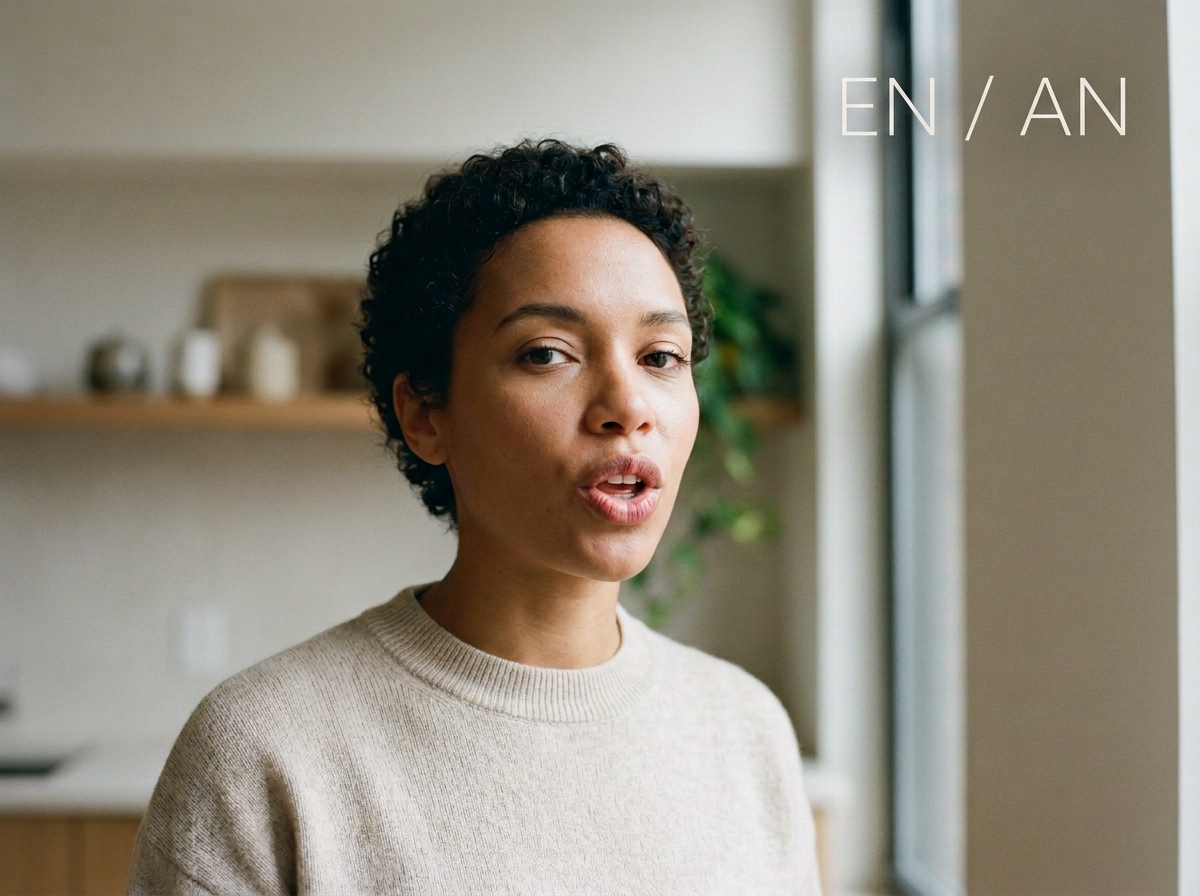
Generated by AI - AN / AN sound
The AN / EN sound is one of the most common nasal sounds in French.
It can be written in several ways:
an
en
am
em
AN
chanter
français
pantalon
dimanche
EN
enfant
vent
lent
prendre
AM
The spelling am is normally used before b, p or m.
chambre
lampe
jambe
Listen and repeat
J'entends un enfant.
Il habite en France.
Nous chantons ensemble.
2 - The ON Sound – /ɔ̃/
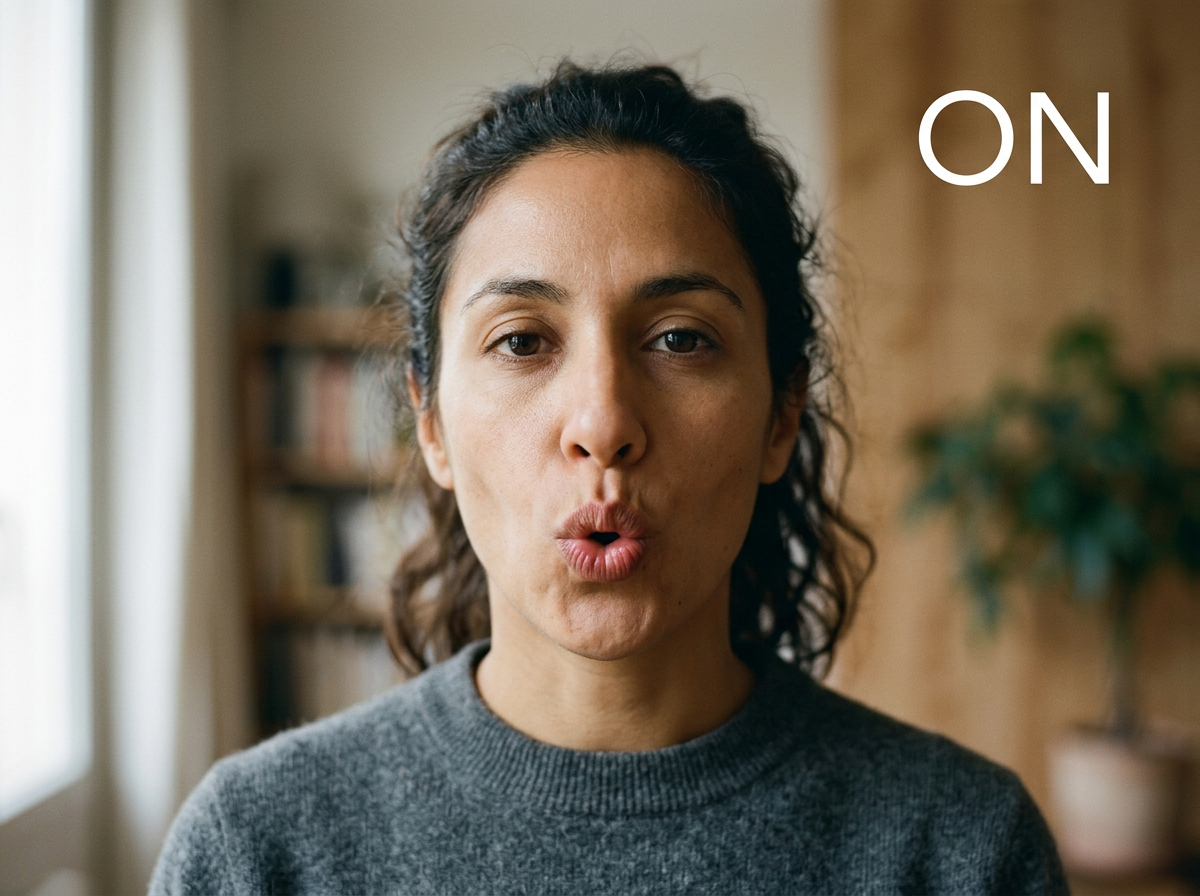
Generated by AI - On sound
The second important French nasal sound is ON. It can be written:
on
om
ON
bon
monde
pont
maison
son
chanson
OM
The spelling om is normally used before b, p
nombre
pompe
Listen and repeat
Ils vont sur le pont pour manger un bonbon
Mon front est froid
Nous avons une maison à Menton
3 - The IN Sound – /ɛ̃/

Generated by AI - IN sound
This sound is particularly important because it has many different spellings. It can be written:
in
im
ain
ein
yn
ym
IN
vin
matin
fin
jardin
IM
The spelling im is normally used before b, p
simple
timbre
important
AIN
main
pain
demain
bain
EIN
The spelling ein is less common.
peindre
feindre
YN / YM
These spellings are less common but can also represent the same sound.
synthèse
sympathique
Listen and repeat
Demain, je vais au jardin.
J'ai du pain et du vin.
C'est très simple.
4 - The UN Sound – /œ̃/
The UN sound is a little more difficult for many learners.
It is mainly written:
un
um
UN / UM
un
brun
lundi
parfum
Listen and repeat
J'ai un parfum floral
Lundi il porte un pantalon brun.
Chacun a des points communs avec toi
5 - Minimal Pairs
Minimal pairs are words that are very similar but have a different sound and meaning.
AN / ON
sans / son
dans / dont
blanc / bon
IN / AN / EN
vin / vent
pain / pan
Lin / Lent
6- Short Reading Practice
Here is a short text containing the four main nasal sounds.
Listen and repeat
Un matin, je vais au marché avec mon enfant.
Nous achetons du pain, du vin et des légumes.
Dans le jardin, nous rencontrons un homme avec un pantalon brun.
Il nous demande son chemin.
Nous continuons notre promenade tranquillement.
A useful tip: don't try to make your French nasal by simply pushing air through your nose. Instead, focus on the position of your mouth and tongue, and let part of the sound resonate through your nose. With regular practice, these sounds will gradually become much more natural.
Learn French with French à La Carte

Private French lesson French à La Carte
French à La Carte is specialized in one on one lessons in Paris and online.
We offer tailor-made French lessons with highly qualified native French tutors.
If you are looking for :
Conversational French
French for professionals
Lessons in the evening & on the week-ends
Immersive lessons in Paris
Exam preparation ( TCF, DELF, DALF)